
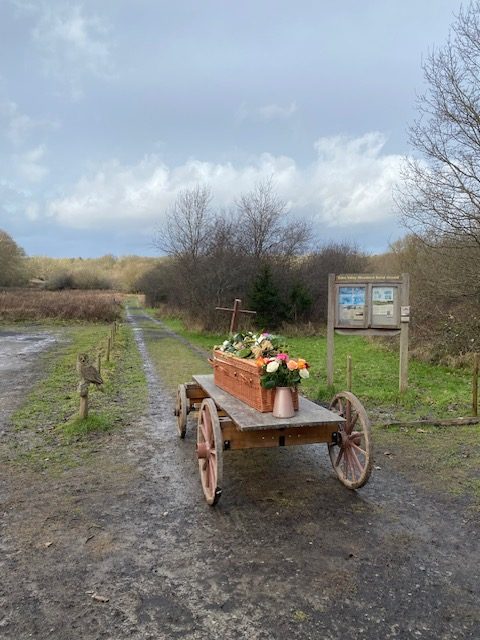
Funerals are changing.
The funerals I have had the honour to conduct over the past year have highlighted a shift in how people approach funeral rituals. They are moving away from standardised approaches and towards funerals that feel authentic, relational and meaningful, informed and shaped by those who are at the heart of the event.
In this blog post, I share seven funeral trends I have been seeing in funerals I conducted in 2025, and what they tell us about how we grieve, remember and continue the relationship with those who have died.
1. Increased Awareness of Funeral Options
One of the most significant funeral trends in 2025 is a growing awareness of choice.
People are increasingly informed about funeral options and feel more confident exploring alternatives. Drawing on their own experiences of funerals, both traditional and bespoke, people who are arranging or planning funerals now research funeral directors, celebrants and venues carefully before making decisions.
Many people want a funeral that reflects their values, beliefs and budget, rather than a standard package. Over the last few years, I’ve seen a noticeable increase in people contacting me directly, or speaking with several celebrants, before deciding who feels right for them.
2. Family- and Person-Led Funerals
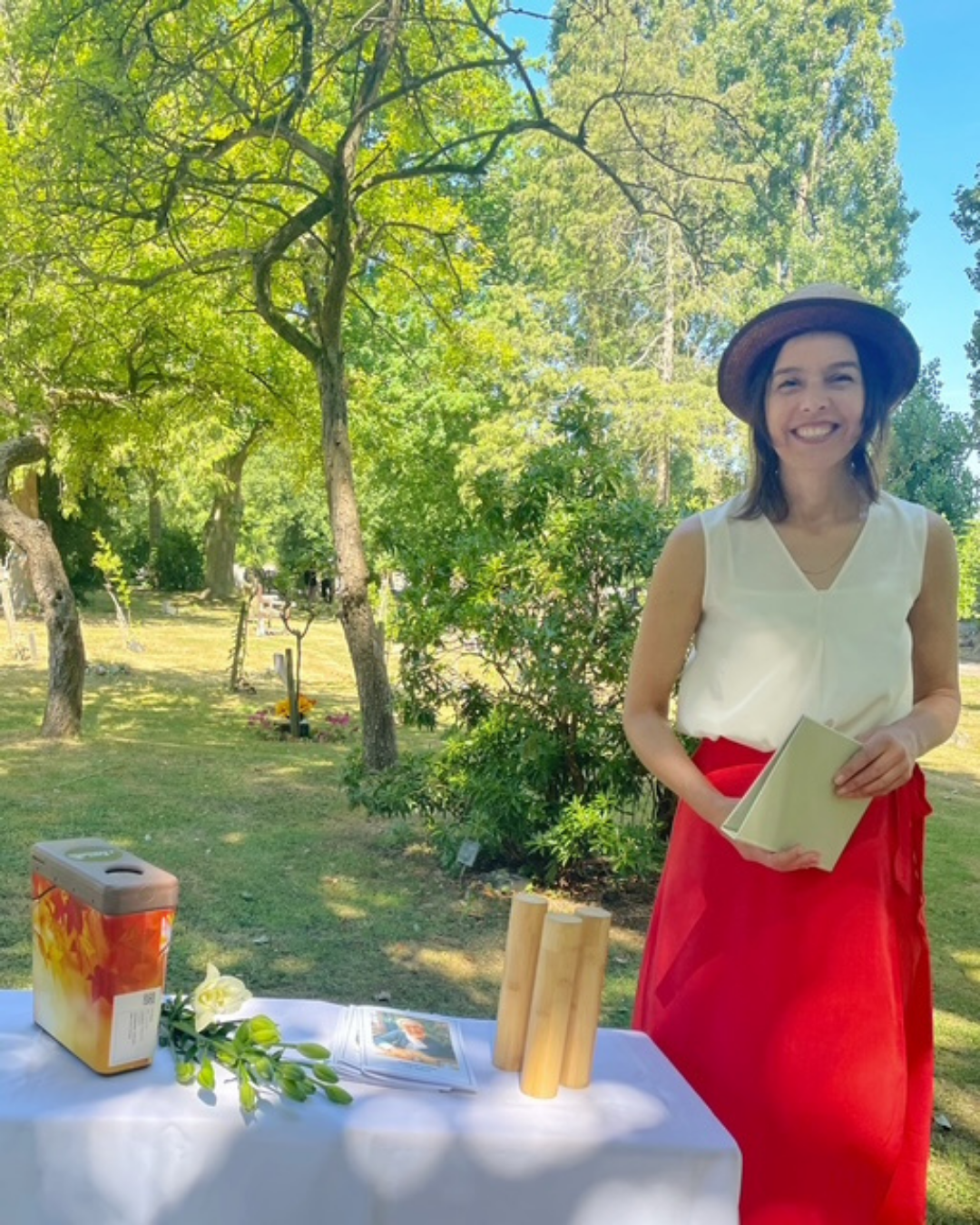
Funerals are becoming increasingly family- and person-led.
Rather than asking a funeral director or celebrant, “What should we do?”, people now ask, “How can we make this happen?” People often arrive with clear ideas, shaped by conversations, research, experiences, and a desire to honour someone authentically.
This shift changes the role of funeral professionals. Funeral directors and officiants are no longer just service providers; they are collaborators, guides and creative partners. This approach requires flexibility, listening, and a willingness to move beyond traditional structures.
3. Personal and Meaningful Touches (Without High Costs)
Personalisation does not have to mean high expense.
Many of the most moving funerals I conducted in 2025 included simple, thoughtful touches, inspired by personal meaning and awareness of environmental impact:
- Flowers or foliage picked from a garden
- Families designing their own order of service
- Personal objects placed with the coffin
- Favourite sweets shared during the service
- Hand-decorated coffins or homemade shrouds
- Live music, handwritten poems, or spoken tributes
These small but meaningful details often create the strongest emotional connection, allowing families and communities to participate actively in the ceremony.
Meaning is created through intention and environmental awareness, not expense.
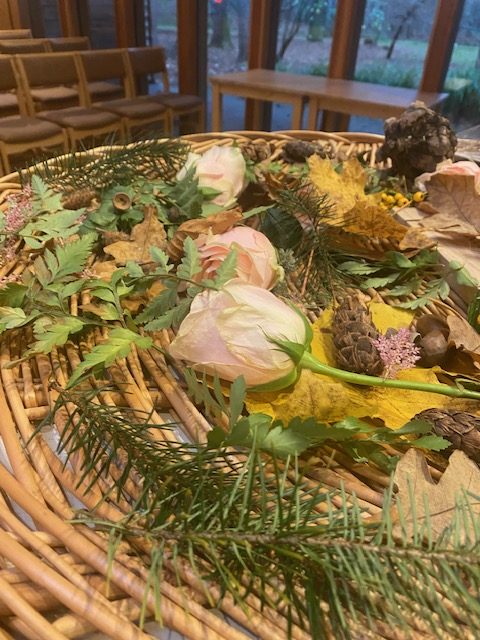
The photo below shows foliage and acorns foraged by great grandchildren, and placed by everyone on top of the coffin as a final tribute.
4. The Rise of Alternative Funeral Venues
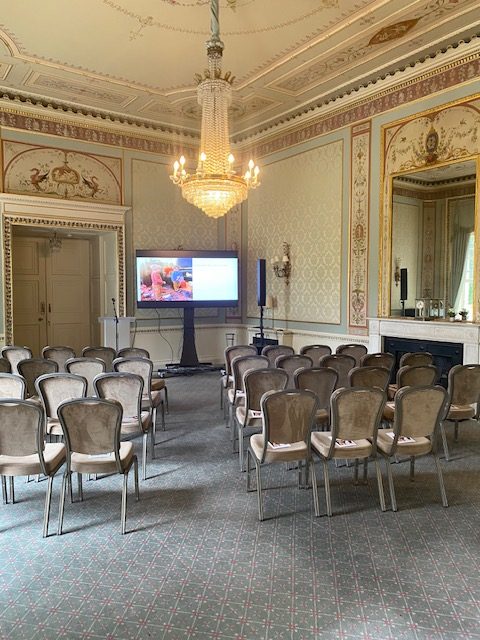
Traditional crematoria and burial chapels don’t feel right for everyone, and people are increasingly choosing alternative funeral venues.
Over the past year, I’ve conducted a growing number of funerals in spaces selected for their atmosphere, flexibility and connection with the person who has died. These venues often allow more time, fewer constraints, and a more relaxed environment, enabling families and friends to create a farewell that truly reflects the person who has died.
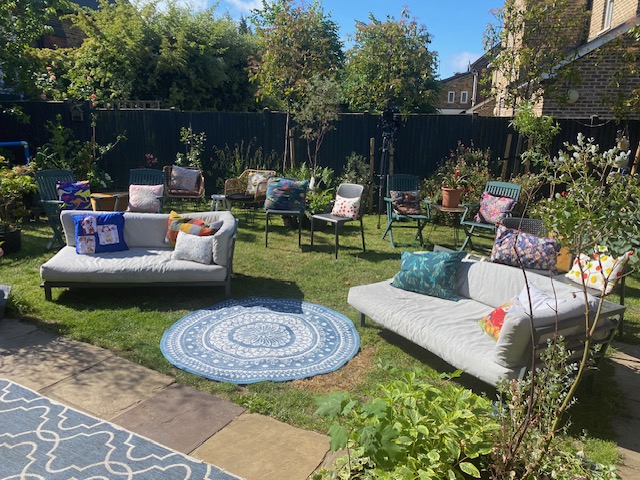
In 2025, these spaces included Grade II listen mansions, favourite pubs, a parkland lodge, a conservatory, an art gallery, deconsecrated churches, an organic farm and a private garden.
5. Evolving Rituals and the Separation of Events
Direct cremations continue to rise, but this does not mean that people no longer want ritual.
Instead, ritual is being reimagined and reshaped. I’ve seen more funerals where the committal, the moment of final farewell, is private or unattended, while a larger celebration of life takes place later, in a setting chosen by the family.
This separation allows families to meet different emotional needs: privacy and intimacy on the one hand, and collective remembrance on the other.
A beautiful example was where an elderly woman had died in the house where she lived, together with her daughter, son-in-law and grandchildren. After she had died, her family chose to leave her in her own bed. Her grandchildren snuggled up next to her to spend some time with her before she was taken into the care of a local funeral director the following day. Her body was cremated in an unattended cremation and two days later, a celebration of her life took place in the garden of the family house, the place where she had spent so many happy times.
6. Community Participation in Funeral Rituals
While placing flowers with the coffin or tossing soil into the grave, singing and praying together has long been part of funeral tradition, I’ve conducted funerals in 2025 that included new ways of community participation. Some examples:
- Shared movement
- Collective drumming
- Alternative flower rituals, for example by using the flower band (Bloemenband)
- Rituals involving scent and touch
Actively participating in funeral rituals can deepen connection, support grief, and strengthen a sense of community during times of loss.
Examples of how movement in funerals can support healing and community support, can be found in this blog about somatic funerals.

7. Creativity as a Way to Express Grief
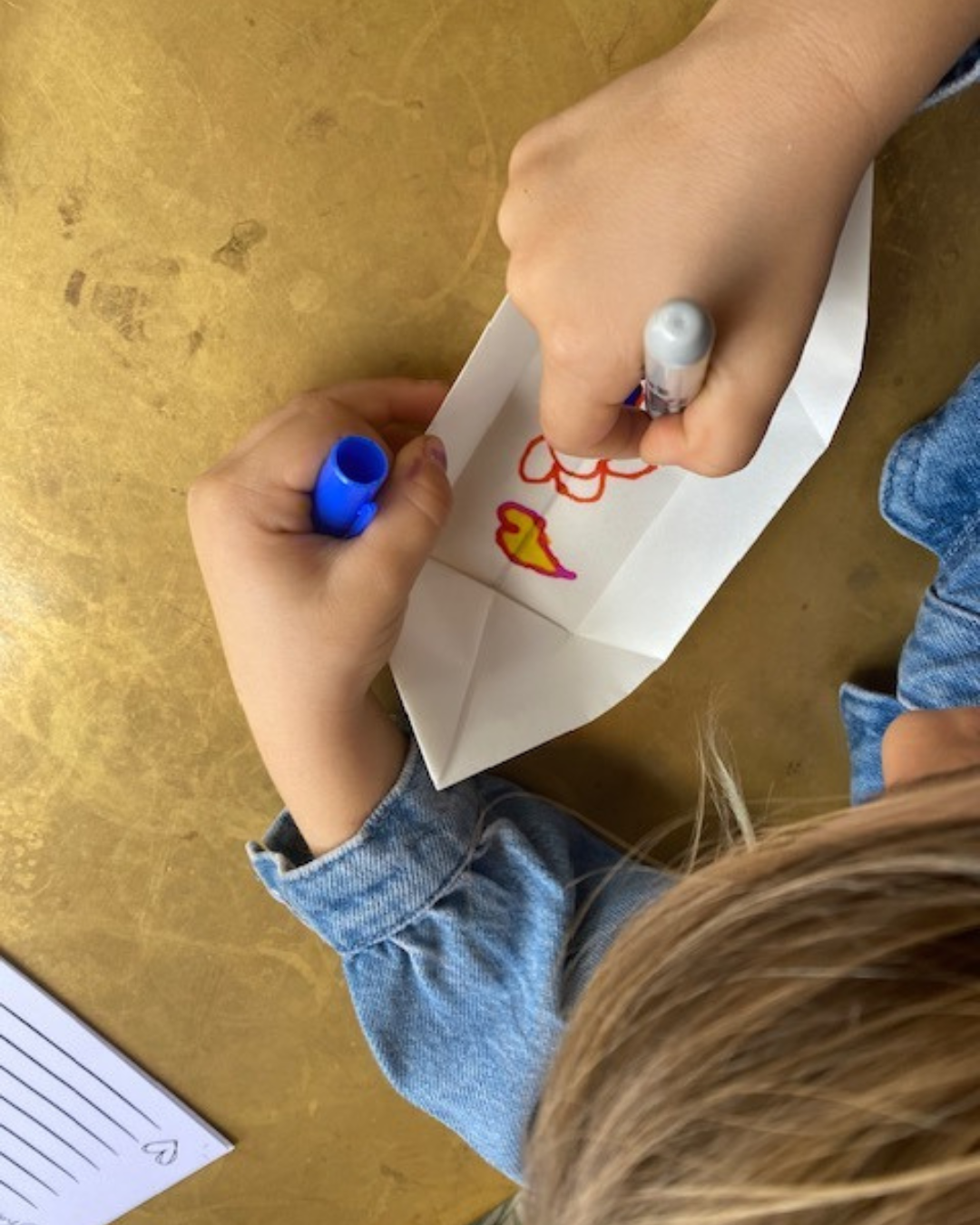
Creativity is increasingly recognised as a meaningful way to express grief and remember those who have died.
Approaching funerals as creative expressions, rather than fixed formats, opens up new possibilities for mourning, storytelling and remembrance. Whether through music, poetry, symbolic acts or shared rituals, creativity allows grief to be felt, expressed and witnessed.
This shift continues to transform how we understand funerals: not as sombre events to endure, but as meaningful spaces for connection and remembrance.
What These Funeral Trends Tell Us
The funeral trends of 2025 point to a clear desire for funerals that are:
- Personal and authentic
- Collaborative and family-led
- Creative, intentional and meaningful
- Meaning over costs and mindful of environmental impact
- Grounded in community and ritual
Above all, they reflect a longing for funerals that honour both the person who has died and the people who honour them.
Interested In How To Create A Personalised Funeral?
If you are inspired by these funeral trends, and want to explore how you can plan a personalised, meaningful and creative funeral, get in touch. I will be very happy to listen to your ideas and help you craft a funeral that feel right for you.
Get in touch to find out more: rosalie@ritualstoday.co.uk, or call me on 0044 (0)7543063286.