
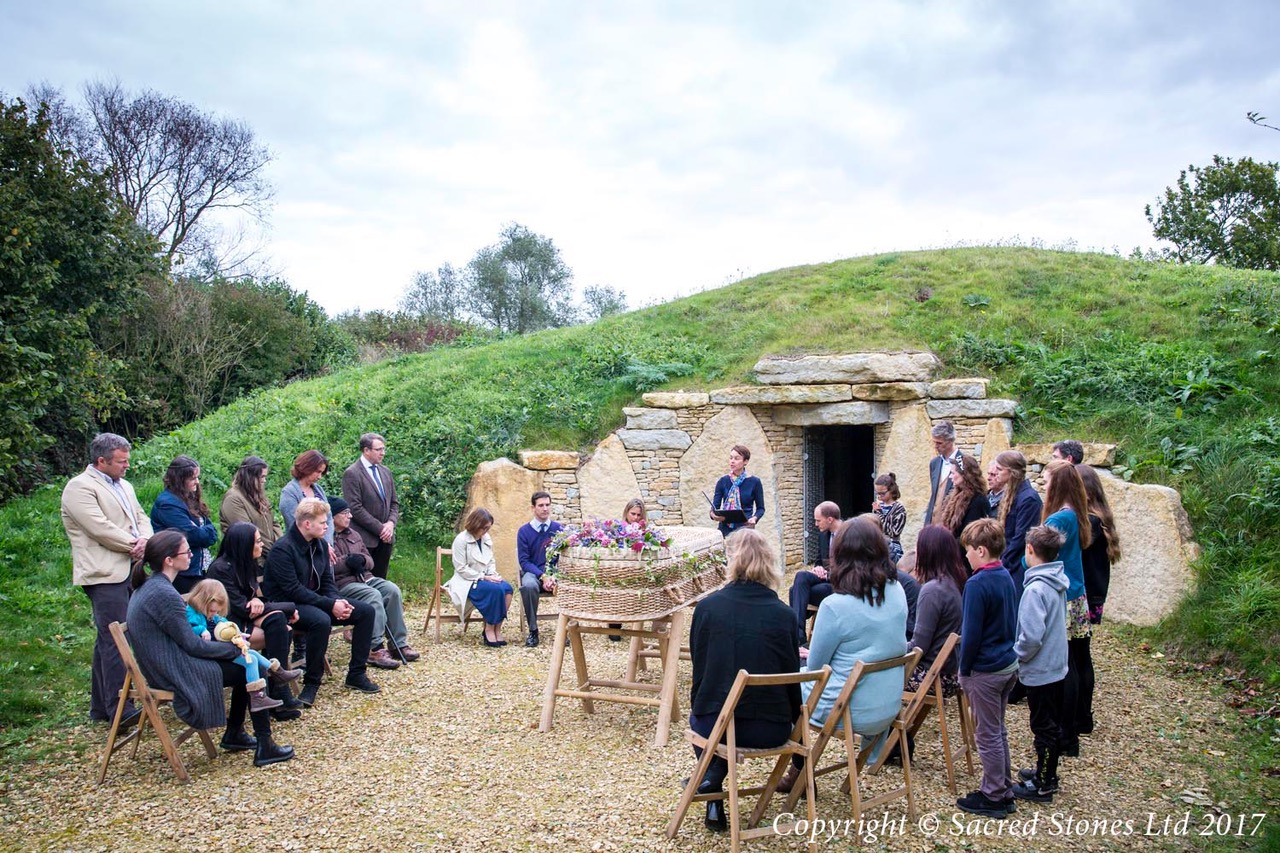
Increasingly, people opt for a non-religious funeral service led by a celebrant. If you are reading this, you may be interested in this option too.
At a celebrant-led funeral service, it’s the life and the personality of the person who has died that is at the heart of the service.
But how does a celebrant-led funeral work? If there is no religious or traditional format, how are the elements of the service brought together in a meaningful way? And why would you entrust someone who has never met your person to lead their ceremony?
These are all very good questions. If you are arranging a funeral service you may feel overwhelmed by everything that needs to be done in addition to navigating your grief. The below gives insight in what to expect when working with a celebrant and how I approach funeral services. It may help you decide if a celebrant is the right option for you.
What is a funeral celebrant?
A funeral celebrant is a trained professional who designs and leads funeral ceremonies for people who want the funeral be around the person who has died instead of a religious or traditional framework. They will guide you through the process or organising a funeral service with compassion, sensitive to the experience of bereavement, and professional guidance and advice.
Humanist funeral celebrants are inspired by the principles of the humanist belief system. The services they led are non-religious. Independent celebrants work with people of all beliefs and none. The services they offer can be non-religious or may include some religious elements led by the celebrant.
How does a funeral celebrant work?
Meeting the people who are arranging the funeral
When meeting with the family (or other people who are arranging the funeral service*), a celebrant will take the time that is needed to learn about the person who has died.
Some people prefer to gather thoughts and ideas before they meet with the celebrant. You may have never organised a funeral before. Therefore, a structured approach helps understand what is expected.
I have two documents that help gather thoughts and ideas for the service as well as insights in the person’s life. In my introductory call, I offer my clients to email these to them:
- Typical structure of a non-religious funeral service
- Questions about the person who has died: their life and personality
The meeting usually happens a few days after the introductory call. Typically, the conversation will touch upon the following topics:
- The person’s life story
- Their personality
- Their values and beliefs / views on life and death
- Circumstances of the death
- Understanding of the audience (relationship to the person who has died, beliefs, dynamics)
In addition, a celebrant will ask questions that help design the funeral service that is right for the person and this who are arranging the funeral:
- Tone and style of the service (sombre, celebratory, dignified, informal, etc)
- Music, readings, symbolic rituals
- Guiding people who are doing a tribute
- Accommodating special needs
- Including children and tailor words and rituals to their needs
- Their own role: leading (doing most of the talking), facilitating (enabling others to share their tributes)
They will also discuss specific wishes on how to set up the space. Perhaps you wish to have a photo, one or more specific objects to be displayed, flower tributes or other meaningful decorative elements to personalise the room.

Ceremony design and script writing
The meeting usually gives the celebrant enough information to draft the ceremony structure and a first version of the script. Sometime additional meetings or phone calls with other people are needed to gather missing information.
I write all my scripts from scratch as the words and tone are as personal as anything else. I also share all the words I am planning to say with the family. Not only to make sure I have the spelling of names and facts correct, but also to make sure that I found the right tone for the ceremony. The draft script usually also helps fine-tune the memories and stories the family wishes to share on the day.
I also add estimated timings to each of the elements of the funeral service. Crematoria in the UK have strict time-slots and overrunning may result in a fine. I see it as my responsibility to enable the family to do what they wish to do within the allocated time slot without feeling rushed.
Stage management and logistics
A celebrant leads the service. They make sure the right music is being played at the right time and faded out where needed, they facilitate the committal if this is part of the service (this is the moment where the coffin is being moved out of sight) and introduce speakers. In the lead-up to the funeral service they will liaise with the funeral director and the crematorium or burial ground staff to make sure everyone knows what is happening.
The services celebrants offer will vary. In addition to the above I also often order the music to ensure the correct versions are being played. I can also help design and print an order of service sheet.
What does the celebrant do on the day?
On the day, your celebrant will arrive early to check if everything in the chapel or ceremony hall is in place: music, slideshows, webcast, easel and any other elements the family may have requested.
If someone is doing a tribute, I always try to get hold of them to put a face to a name (if I haven’t met them before), to check if they have a print-out of their speech, how they feel about giving their tribute and if they wish to check the microphone and the acoustics (please note that there may not always be time for this).
I greet the family and ask if they have any questions.
The celebrant will lead the coffin when it is being carried in. After the funeral director and the bearers have placed the coffin in the chapel, the celebrant will start the service. They will lead the ceremony, making sure everything runs smoothly and within the allocated time-slot. At the end of the service they will take a bow as a final tribute to the person who has died before leaving the chapel. The celebrant will wait outside to greet the people who are walking out of the chapel.
If there is no committal during the service, I go back into the chapel after everyone has left to pay a final respect before the curtains close / the coffin goes through the doors.
How to choose the celebrant that is right for you?
There are a wide variety of celebrants, each with their own style and way of working. Perhaps you have been to a funeral led by a celebrant whose style you liked. Or you can ask friends for a recommendation. You can also ask independent organisations such as The Good Funeral Guide for a good celebrant in your area. Another option to find celebrants is by browsing the internet or checking out directories, including The Celebrant Directory.
If you arrange a funeral service via a funeral director, they can recommend a celebrant. If you prefer to have a few options, ask them to give you two or three names.
Some thoughts on how to choose the celebrant that is right for you:
- Ask how they work. Will they meet you in person? Will you see their script beforehand? Will you be able to change your mind about elements of the service? Are they flexible in accommodating your wishes?
- Check how they make you feel. Do they make you feel heard and seen? Do they listen to your wishes? Do you like them? Do you have a click with them?
- Review their credibility. What are their qualifications? What do their reviews say about them?
If you are not using a funeral director, you may also be interested in what additional services they offer. Will they help source the right music? Do they advise on design and production of order of service sheets? Will they help source ritual props? Can they advise on ceremony venues?
The role of a celebrant captured in a poster
In 2019, Katie Deverell and I created a poster explaining how celebrants create meaningful and engaging funeral ceremonies. We presented it at The 14th International Conference on Death, Dying and Disposal at the University of Bath.
If you are interested in how we brought our experience, academic insights and clients feedback together in one image, you can access the poster here:
* Not everyone has family, or has a relationship with their family. Friends can considered to be family. Where I use ‘family’ in this article I refer to the people who are arranging the funeral.
More questions about funeral celebrants? Contact me
If you have any additional questions about how a funeral celebrant can help you say farewell and pay tribute to a life, please get in touch. I have access to a network of celebrants all over the UK, Europe and worldwide so if you wish to learn more about celebrants in your area, I can guide you into the right direction.


Excellent visuals! You explain in detail why and when a bespoke ceremony is important, as well as the role of and what one might expect from the celebrant.